 Biola University
School of Science, Technology and Health Distinguished Speaker Series
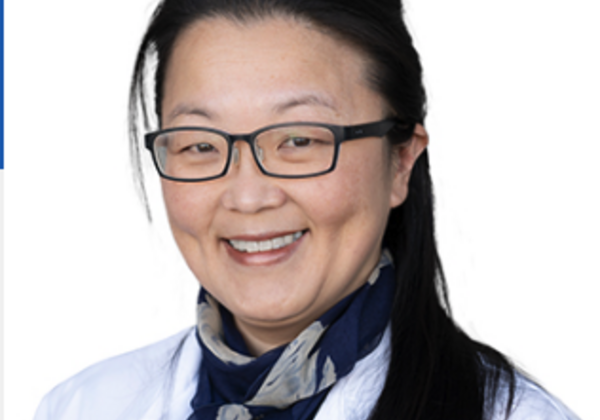
Yanghee Woo, MD. If You Can See the Invisible, You Can Do the Impossible - Minimally Invasive and Robotic Cancer Surgery: Less Pain, Faster Recovery, Renewed Hope
- Wednesday, November 11, 2026
- 4:30 - 5:30 p.m. PST
- Calvary Chapel
- Hosted By: School of Science, Technology and Health
- Open to: Alumni, Faculty, General Public, Parents, Staff, Students
Cost and Admission
This event is free to attend.
Join us for a special lecture with Dr. Yanghee Woo, an internationally recognized surgeon-scientist at City of Hope and a leader in robotic surgery and gastric cancer care. Dr. Woo is advancing the future of cancer treatment through innovative surgical technologies and groundbreaking research, with a focus on improving patient outcomes and transforming the patient experience. Drawing on her expertise in surgical oncology and commitment to compassionate care, she will share insights into how medical innovation is shaping the future of cancer care.
If You Can See the Invisible, You Can Do the Impossible - Minimally Invasive and Robotic Cancer Surgery: Less Pain, Faster Recovery, Renewed Hope
Transformative advances begin with the ability to imagine possibilities beyond today limitations. Robotic technology expands what human eyes and hands can accomplish - helping surgeons see more clearly, move more precisely, and perform delicate tasks beyond the capabilities of unaided vision and dexterity. These advances enable complex cancer operations through small incisions, offering many patients less pain, shorter hospital stays, and a faster return to the people and activities they love.
Telerobotic surgery extends this vision across borders, enabling surgeons to operate over great distances in partnership with local surgical teams. This emerging capability offers the possibility of reaching patients in the far corners of the world from hospitals in our own communities to bring surgical expertise to underserved populations and create new opportunities for global service.
This lecture explores the imagination, perseverance, and collaboration that make such progress possible. Medicine, science, engineering, computer technology, nursing, and entrepreneurship all contribute to turning bold ideas into compassionate cancer care. Behind every innovation is a deeply human purpose: to ease suffering, restore hope, and improve lives.
Grounded in the Christian calling to serve others, this lecture invites students across disciplines to consider how their God-given gifts can address challenges that seem insurmountable. Faith inspires our vision, hope sustains our perseverance, and love—the greatest of these—gives our work its purpose. Guided by love for humanity, we can shape a future in which technology honors human dignity and extends compassionate cancer care to those who need it most.
“Now to him who is able to do immeasurably more than all we ask or imagine, according to his power that is at work within us.�
—Ephesians 3:20
Questions?
Contact Fay Jaime at:
x4696
fay.jaime@biola.edu