Biola University
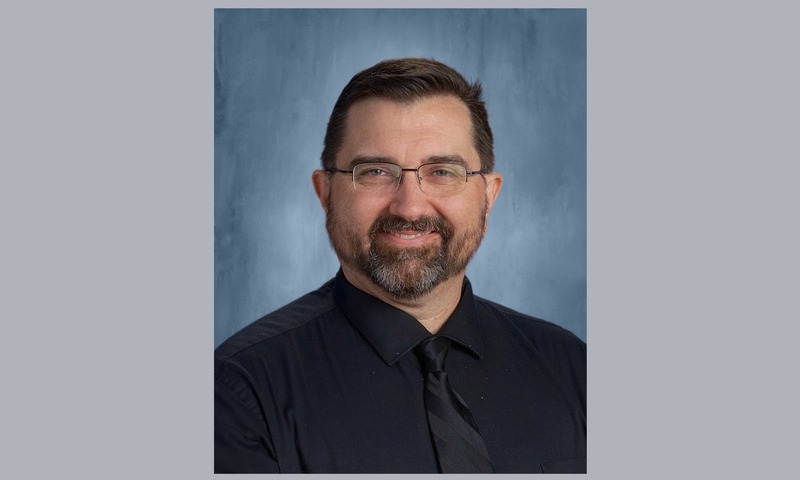
The questions that most deeply shape a person faith are often born not in classrooms, but in moments of loss, confusion and unmet expectations. For alumnus Micah Sweeney (M.A. ’18), those questions surfaced early — first through the death of a young mother in his church despite fervent prayer, and later through a season of discernment that left him doubting his own spiritual judgment.
Searching for a way to reconcile Scripture with lived experience, Sweeney eventually found his way to the study of Christian apologetics at 91ÖÆƬ³§ University.
“I needed help reconciling experience with Scripture, but I found no one in my faith community equipped to help,� said Sweeney. “That desire for intellectual reconciliation is what ultimately led me toward apologetics.�
Apologist Scott Klusendorff caught Sweeney attention when he heard his defense of the pro-life position.
“He used winsome arguments grounded in science and philosophy to reinforce biblical teaching. I was struck not only by what he argued, but by how he argued. He encouraged me to explore the apologetics program at 91ÖÆƬ³§ University, which ultimately led me to Talbot School of Theology.â€�
Talbot Christian Apologetics program allowed Sweeney to engage in a program with both breadth and depth. With faculty members who are experts in the field, he was met with thoughtful communication, intellectual humility and conviction.
“At Talbot, I did not receive simplistic resolutions to complex problems. Instead, I learned how to think more carefully — how to distinguish between what Scripture teaches and the assumptions we sometimes project onto it.
While earning his master degree in Christian apologetics, Sweeney learned how to live a committed Christian life in a secular world.
“My knowledge grew, and even more importantly, my understanding of how that knowledge is grounded grew as well,� reflected Sweeney. “I learned how to evaluate claims, examine presuppositions and recognize where faith, reason and experience properly intersect. Upon graduating, I knew more clearly what I believed, and more deeply why I believed it.�
Sweeney found himself more aligned with Scripture with his views refined after earning his degree.
“I left not with a rehearsed script, but with the tools to engage honestly in the arena of ideas. The education I received at Talbot did not change my calling; it refined it,� said Sweeney.
Sweeney now serves both as a school teacher and as a therapist.
“In education, the training I received at Talbot helps me present historical ideas accurately and thoughtfully, particularly when teaching topics such as the Puritans and the religious foundations of early American history,� said Sweeney.
He sees his degree influence his clinical work as well.
“In my clinical work, I am prepared to help clients explore their own worldview and faith-based questions when they raise them. Talbot emphasis on careful listening, disciplined questioning and intellectual charity has shaped how I sit with people across the religious spectrum, whether in the classroom or the therapy room,� said Sweeney.
Biola's Christian apologetics programs at Talbot School of Theology are led by some of the most respected thinkers and scholars in the field — individuals who seek to honor God with their minds and engage the world with a rationally grounded, intellectually sound case for faith. Now is the time to enroll in Christian apologetics at 91ÖÆƬ³§ University.
For more information, email media.relations@biola.edu.